
Service
Orthotics
Orthotics are one of the most effective and versatile tools in podiatric practice. When the foot is not functioning as efficiently as it should, the body compensates in ways that can generate pain and injury throughout the lower limb and beyond. A well-selected, clinically prescribed orthotic can correct these compensatory patterns, reduce pain, and significantly lower the risk of recurring injury. At West Bridgford Podiatry, prefabricated orthotics are prescribed by Hassan Ebrahim Isat following a thorough biomechanical assessment and computerised gait analysis, ensuring that every device is matched precisely to your individual needs.
We serve patients from West Bridgford, Nottingham, and the wider Nottinghamshire area, including NG1, NG3, NG4, NG5, and NG12.

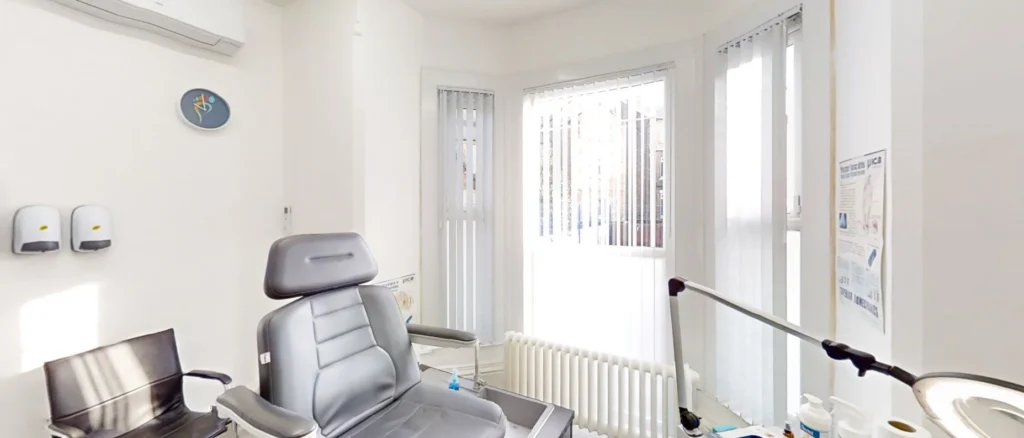
Orthotics
What Are Prefabricated Orthotics?
Prefabricated orthotics are clinically prescribed insoles manufactured to a standard range of sizes and configurations, then selected by a podiatrist based on an individual patient’s foot type, gait pattern, and clinical diagnosis. They are inserted into everyday footwear and work by modifying the way the foot and ankle function during weight-bearing activity.
When the foot does not function efficiently, whether due to flat feet, high arches, excessive pronation, or other structural characteristics, the body compensates by altering the mechanics of the ankle, knee, hip, and lower back. Over time, these compensatory patterns generate pain and increase the risk of injury. A correctly prescribed prefabricated orthotic can interrupt this cycle effectively, and for a large proportion of patients, provides the same clinical benefit as a fully custom-made device at a lower cost.
Conditions Prefabricated Orthotics Can Help With
Orthotics may be an appropriate component of treatment for a range of conditions, including:
- Plantar fasciitis and heel pain
- Flat feet (pes planus) and high arches (pes cavus)
- Ball of the foot pain (metatarsalgia)
- Achilles tendinopathy
- Tibialis posterior tendonitis
- Knee pain associated with poor foot mechanics
- Hip pain and lower back pain linked to gait dysfunction
- Bunions and toe deformities
- Morton’s neuroma
- Ankle pain and chronic ankle instability
A Biomechanical Assessment is always conducted before any orthotic is prescribed, to ensure the device selected is appropriate for your individual presentation.
How Are Orthotics Assessed and Prescribed?
At West Bridgford Podiatry, orthotic prescription follows a thorough assessment process:
- Full biomechanical assessment of the lower limbs, including joint mobility and muscle testing
- Computerised gait analysis using our RSscan Footscan pressure plate to assess pressure distribution and timing sequences
- Discussion of your daily activities, typical footwear, and lifestyle to ensure the orthotic is practical and compatible with your life
- Selection of the most appropriate device from our clinical range
- Fitting within your footwear with an initial comfort review before you leave
Orthotics for Different Activities
It is important to understand that orthotics are not interchangeable across all activities. A device prescribed for a runner covering 30 kilometres per week will have different requirements from one prescribed for a nurse standing for eight hours on a hard hospital floor. Our assessment process accounts for these differences, ensuring that the orthotic prescribed performs correctly across your specific activity profile.
For patients who require the highest level of precision and customisation, particularly athletes or those with complex biomechanical presentations, we also offer Phits 3D Phits printed orthotics, fabricated from your individual Footscan gait data.
Evidence and Clinical Standards
Orthotic therapy is a well-established intervention within podiatric practice, supported by a substantial evidence base for conditions including plantar fasciitis, Achilles tendinopathy, and patellofemoral pain. Our approach follows HCPC standards and the guidance of the Royal College of Podiatry.
Who We Help
Prefabricated orthotics are most appropriate for patients who:
- Have been assessed and found to have a biomechanical contributing factor to their pain or injury
- Require effective orthotic support without the cost of a fully bespoke device
- Need an orthotic that can be transferred between multiple pairs of shoes
- Are managing conditions such as plantar fasciitis, flat feet, or knee pain that have a clear mechanical component
Where Are We?
West Bridgford Podiatry is at 7 Musters Road, West Bridgford, Nottingham, NG2 7PP, close to Trent Bridge and well served by local bus routes. Free on-site parking is available at the front and rear of the building. We are open Monday to Friday from 8:00am to 6:00pm and on alternate Saturdays from 8:00am to 1:00pm.
Pricing and Insurance
Appointment Type | Duration | Fee |
Biomechanical Assessment and Orthotic Review | Up to 60 minutes | From £100 |
The cost of the orthotic device is in addition to the assessment fee. Your clinician will advise the full cost before any prescription is made. We accept referrals from AXA Health, Aviva, Vitality, and WPA.
Faqs
Frequently Asked Questions
What is the difference between a prefabricated and a custom orthotic?
A prefabricated orthotic is selected from a clinical range based on your foot type and diagnosis. A custom orthotic, such as a Phits 3D-printed device, is fabricated from a personalised scan of your foot and gait data. Both can be highly effective, and the most appropriate type depends on your individual clinical needs and presentation.
Can I transfer my orthotics between different shoes?
Yes. Prefabricated orthotics are designed to be transferable between footwear. However, their fit and effectiveness will vary depending on the shoe type. Your clinician will advise on suitable footwear to use alongside your device.
How long do prefabricated orthotics last?
Lifespan varies depending on material, body weight, and activity level. As a general guide, most prefabricated orthotics last between Six and twelve months with regular use. Your clinician will advise when replacement is likely to be needed.
Do I need a biomechanical assessment before receiving orthotics?
Yes. A thorough assessment is essential to ensure the orthotic selected is appropriate for your condition. Prescribing without assessment risks providing no benefit, or in some cases worsening symptoms.