
Morton’s Neuroma
What Is Morton's Neuroma?
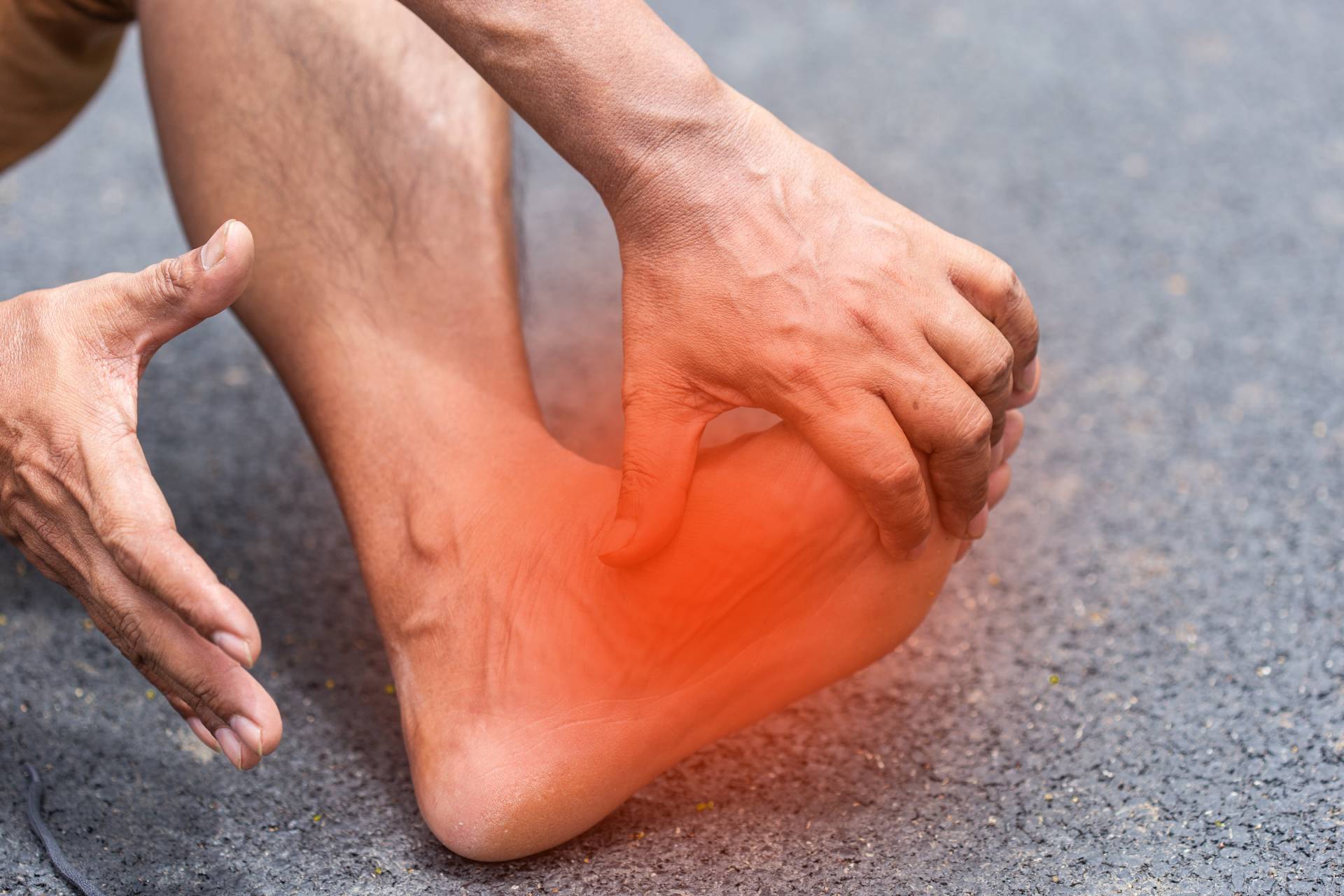
Morton’s neuroma develops when the common digital nerve passing between the metatarsal heads of the foot becomes compressed and irritated through repetitive loading. The nerve responds by developing a fibrous thickening around it, which increases its sensitivity and the intensity of the symptoms experienced. The condition most commonly affects the nerve running between the third and fourth toes, though the space between the second and third toes can also be involved.
Signs and Symptoms
The symptoms of Morton’s neuroma are typically distinctive and recognisable:
- Burning, sharp, or shooting pain in the ball of the foot, often radiating into the third and fourth toes
- Numbness or tingling extending into the affected toes
- A feeling of walking on a pebble, marble, or bunched-up sock beneath the forefoot
- Pain that worsens with tight or narrow footwear
- Relief when shoes are removed and the toes are free to spread
- Increased pain with prolonged walking, standing, or physical activity
What Causes Morton's Neuroma?
The primary cause is repetitive compression of the interdigital nerve, commonly associated with:
- Tight, narrow, or pointed footwear compressing the metatarsal heads together
- High-heeled shoes that shift body weight forward and increase forefoot loading
- Excessive pronation causing splaying of the metatarsal heads
- Sporting activities placing repeated forefoot pressure, such as running or racquet sports
- Structural foot conditions including flat feet, high arches, or bunions altering forefoot mechanics
How We Treat Morton's Neuroma
At West Bridgford Podiatry, management is conservative and evidence-informed:
- Biomechanical assessment and Footscan gait analysis to quantify forefoot pressure and identify contributing mechanics
- Metatarsal dome padding or bar to spread the metatarsal heads and relieve nerve compression
- Orthotic modification to redistribute forefoot loading and reduce interspace pressure
- Footwear advice: a wider toe box, lower heel, and adequate forefoot depth are essential to managing symptoms
- Referral to orthopaedics or pain management if a structured conservative trial does not provide adequate relief
Evidence and Clinical Standards
Conservative management is the recommended first-line approach for Morton’s neuroma, supported by current clinical evidence and the guidance of the College of Podiatry. Surgical intervention is considered only after conservative options have been thoroughly explored. Our approach follows HCPC standards of practice.
Getting to West Bridgford Podiatry
7 Musters Road, West Bridgford, Nottingham, NG2 7PP. Close to Trent Bridge, served by local bus routes, and with free on-site parking front and rear. Open Monday to Friday 8:00am to 6:00pm and alternate Saturdays 8:00am to 1:00pm.
Faqs
Frequently Asked Questions
Can Morton's neuroma go away on its own?
Where the cause, such as unsuitable footwear, is removed early, symptoms may reduce. Without addressing the underlying compression and contributing mechanics, symptoms typically persist or worsen. Early intervention is associated with better outcomes.
Do I need a scan to confirm the diagnosis?
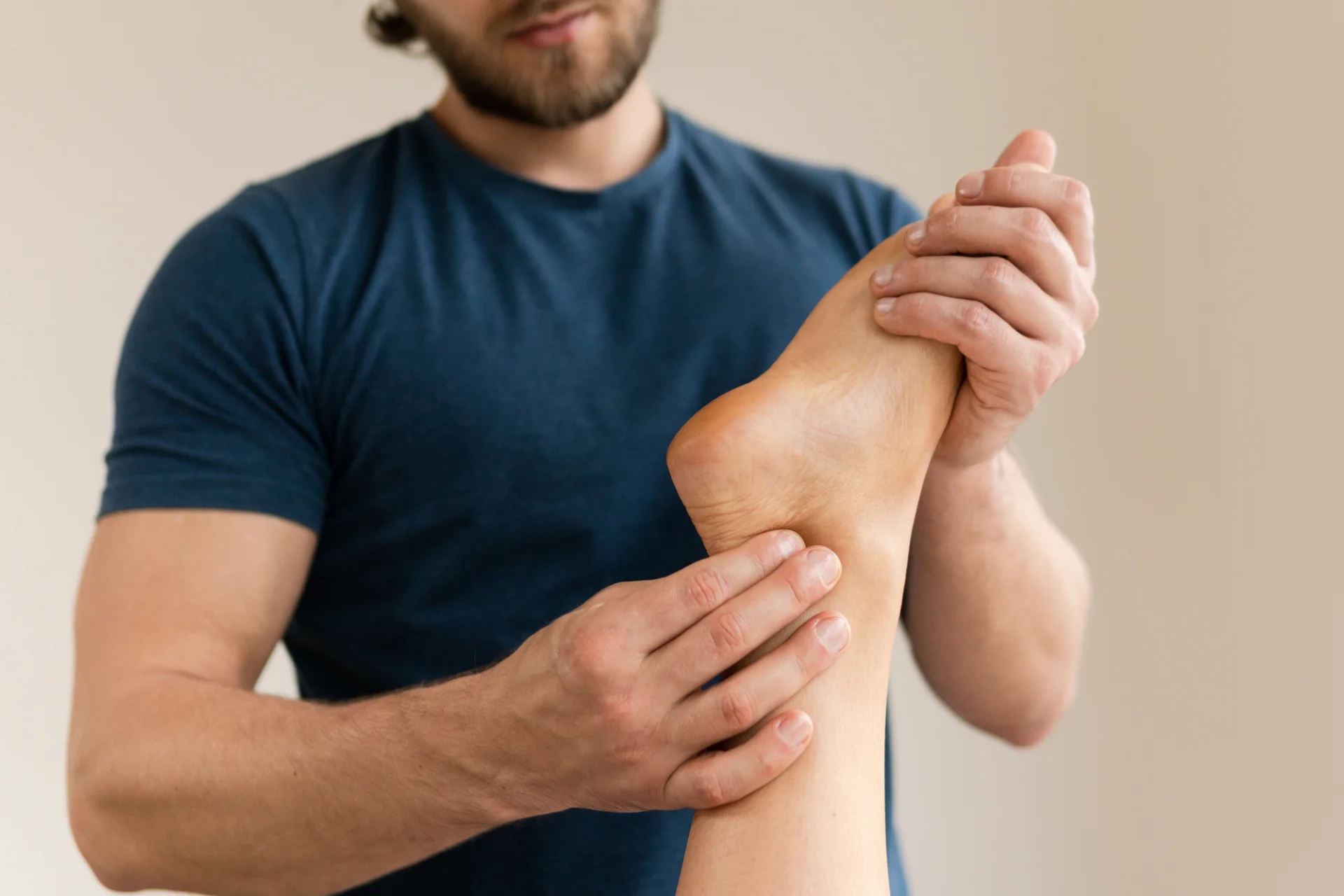
Morton’s neuroma can often be diagnosed clinically using the characteristic history and physical examination including Mulder’s test. Ultrasound or MRI can confirm the diagnosis and assess neuroma size, and may be requested where there is diagnostic uncertainty or where a surgical opinion is being sought.
Will I need surgery?
The majority of patients respond well to conservative management. Surgery is generally considered only when a structured course of conservative treatment has not provided adequate relief.
What footwear should I wear?
Wide-fitting shoes with a rounded toe box, a low heel, and adequate forefoot cushioning are strongly recommended. Narrow or high-heeled footwear will aggravate symptoms by compressing the metatarsal heads and increasing forefoot loading.