Corn & Callus
What Is a Corn?
A corn, or heloma, is a small, concentrated area of thickened skin with a hard central core called the nucleus. It is the nucleus that causes pain by pressing into the deeper layers of tissue beneath. Corns form as a protective response to localised, repeated pressure and friction and are most commonly found on the tops or sides of the toes, between the toes as soft corns, or on the sole of the foot.
There are three main types of corn:
- Hard corns (heloma durum): dense, sharply defined, with a prominent central core. Found over bony prominences on the tops and sides of toes or on the sole.
- Soft corns (heloma molle): white, macerated, and found between the toes, kept soft by moisture in the interdigital space.
- Seed corns (heloma miliare): small clusters of callus on the plantar surface, typically less painful but sometimes tender under direct pressure.
What Is Callus?
Callus is a broader area of diffuse thickened skin without a central core. It forms in response to sustained friction or pressure over a larger area of the foot, most commonly on the heels, the balls of the feet, and the outer edge of the big toe. Callus is not always painful, but when it becomes very thick it causes aching discomfort, and in some patients, particularly around the heels, it can crack and fissure, creating painful splits in the skin that are susceptible to infection.
Signs and Symptoms
- A small, concentrated, hard area of skin with a distinct, often painful centre (corn)
- Aching discomfort or sharp pain when walking or standing on areas of heavy callus
- Broad areas of rough, yellowed, thickened skin on the sole, heel, or around the toes
- Cracked or fissured skin around the heel, particularly following callus build-up
- White, macerated tissue between the toes that is tender to the touch (soft corn)
What Causes Corns and Callus?
Both conditions are the skin’s response to repetitive mechanical stress:
- Ill-fitting footwear, particularly shoes that are too narrow, too tight, or that create friction at specific points
- Bony prominences exerting pressure on the overlying skin from below
- Biomechanical abnormalities creating abnormal pressure distribution, such as hammer toes, claw toes, or bunions
- Gait patterns concentrating load unevenly across the plantar surface
- Walking barefoot on hard surfaces without adequate cushioning
How We Treat Corns and Callus
Treatment at West Bridgford Podiatry is both immediate and strategic. It forms part of our Routine Foot Treatment service and involves:
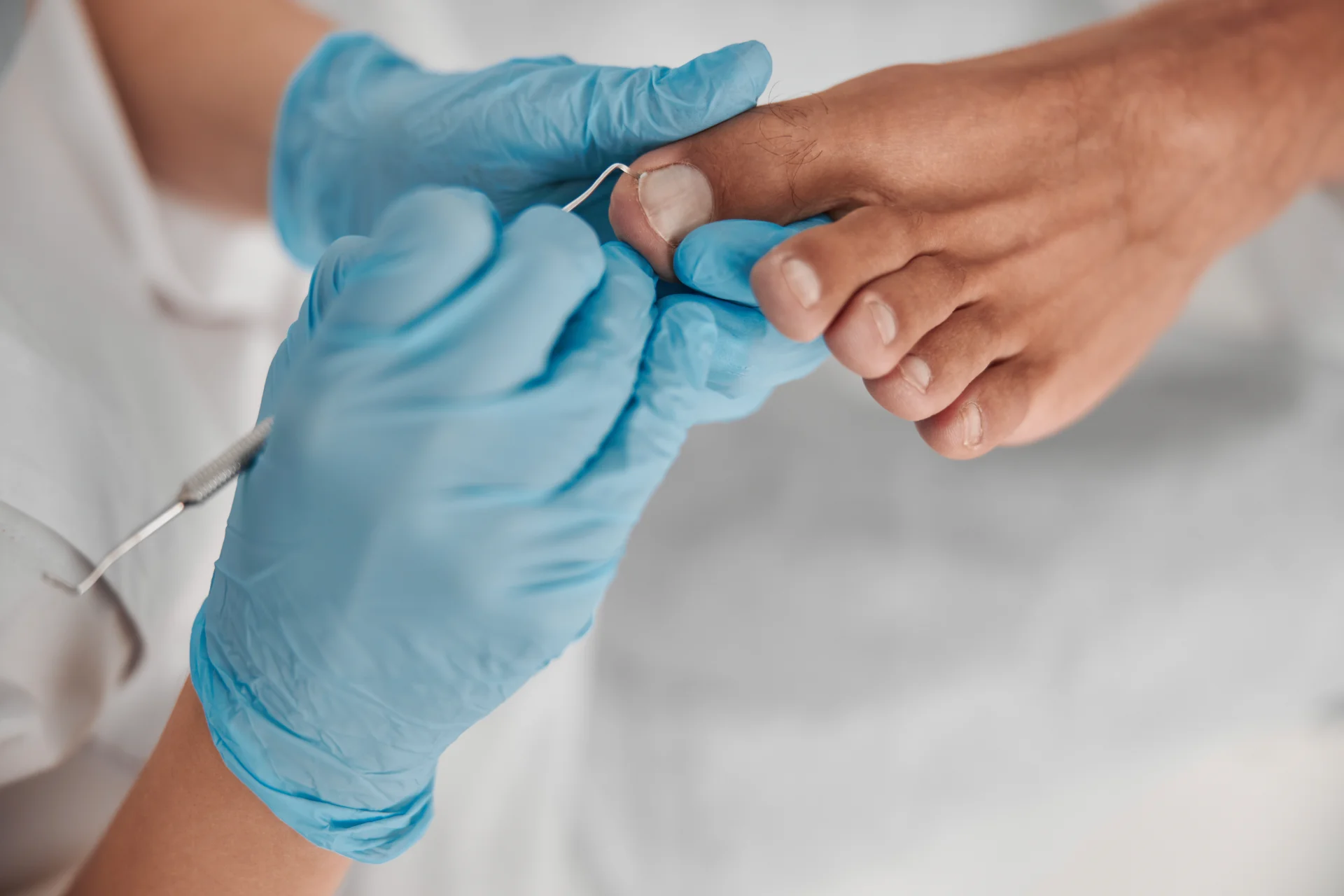
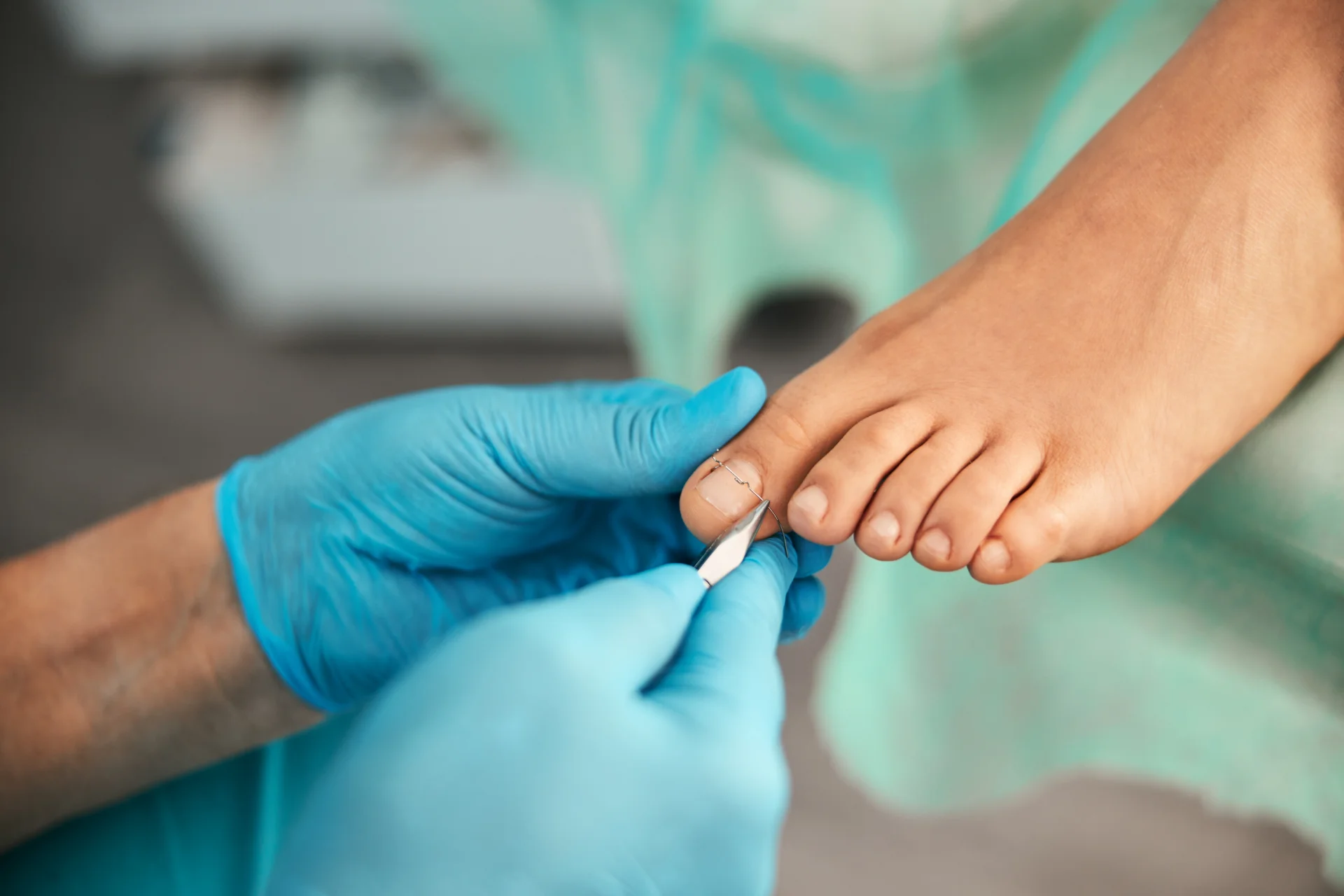
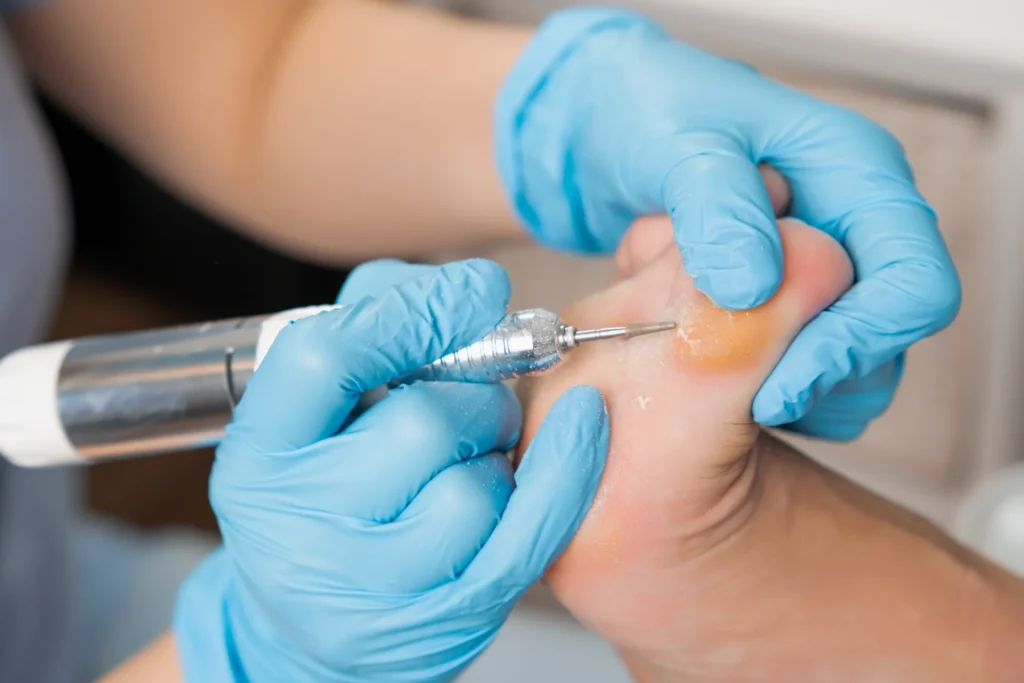
- Precise debridement of the corn or callus using sterile, sharp instruments, providing immediate pain relief
- Complete removal of the corn nucleus to eliminate the source of deep discomfort
- Assessment of footwear and any structural or biomechanical factors contributing to the problem
- Padding and deflective therapy to redistribute pressure away from vulnerable areas between appointments
- Orthotic prescription where a gait-related cause is identified following biomechanical assessment
- Patient education on self-care, footwear selection, and moisturising to manage skin health between visits
Evidence and Clinical Standards
Corn and callus treatments at West Bridgford Podiatry follow HCPC standards and the guidance of the College of Podiatry. Aseptic technique is used throughout every procedure.
Meet the Team
Meet the Hearts Behind the Work
Corn and callus treatment at West Bridgford Podiatry is provided by Hassan Ebrahim Isat, Iqra Rafiq, Jaykishan Maru, and Zoe Foster.
Faqs
Frequently Asked Questions
Will my corns come back after treatment?
If the underlying pressure cause is not addressed, corns are likely to recur over weeks to months. Your clinician will discuss the cause of your corn and advise on footwear, padding, or orthotics to reduce the likelihood of recurrence between appointments.
Is corn removal painful?
The procedure is generally very comfortable. Corns are removed using precise instruments that target the thickened tissue without affecting the surrounding healthy skin. Many patients are surprised at how quick and comfortable professional corn removal is compared with their expectations.
Can I use corn plasters at home?
Salicylic acid plasters are available without prescription but must be used with considerable care. They should never be used by patients with diabetes, peripheral neuropathy, or poor circulation, as they carry a significant risk of chemical damage to the surrounding skin. For most patients, professional treatment is safer, more effective, and provides faster relief.
How often do I need treatment for corns and callus?
This varies depending on individual skin growth rates and the degree of pressure causing the problem. Many patients benefit from appointments every six to eight weeks for ongoing corn and callus management.