Plantar Fasciitis
What Is Plantar Fasciitis?
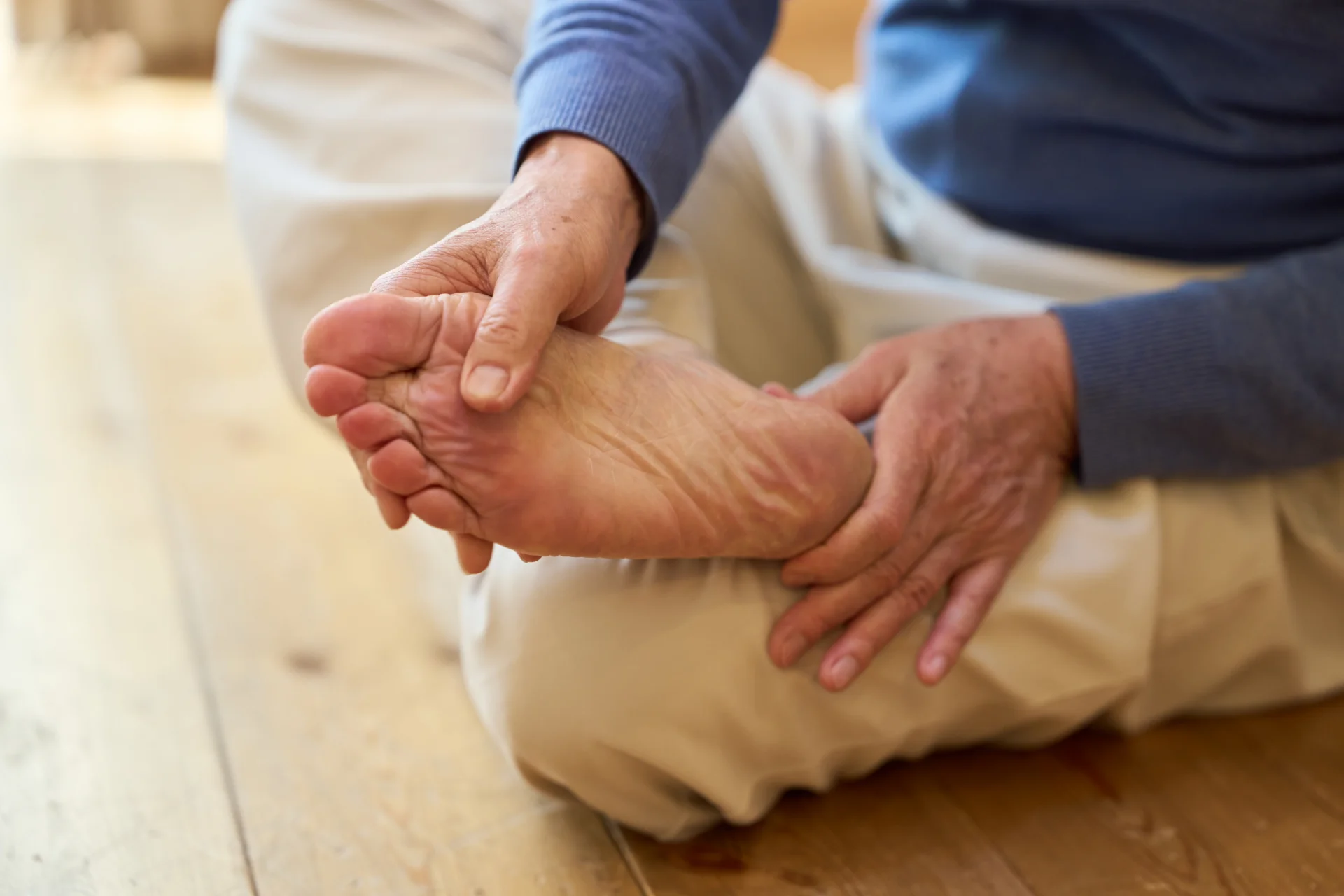
The plantar fascia is a thick band of connective tissue running along the sole of the foot, connecting the heel bone (calcaneus) to the base of the toes. It plays a critical role in supporting the arch and absorbing impact during walking and running. Plantar fasciitis occurs when this tissue becomes inflamed, most commonly at its attachment point on the underside of the heel bone.
The inflammation is typically caused by repetitive overloading of the fascia, often associated with biomechanical factors such as excessive pronation, tight calf muscles, high or low arches, or unsuitable footwear. Changes in activity level, body weight, or training volume can also precipitate the condition.
Signs and Symptoms
The hallmark signs of plantar fasciitis include:
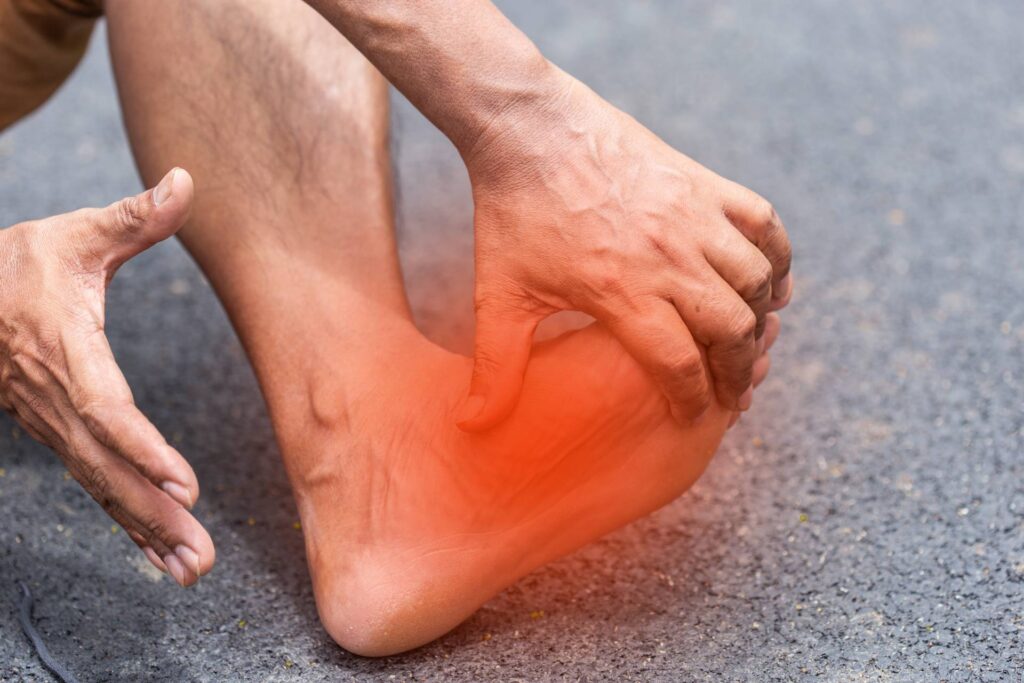
- Sharp, stabbing heel pain that is at its worst with the first steps taken in the morning
- Pain that eases after a few minutes of movement but returns following prolonged rest
- Aching or burning pain along the inner aspect of the heel and arch
- Pain that worsens after standing for long periods or following intense activity
- Tenderness when pressing on the underside of the heel
- Gradual onset of symptoms over a period of weeks or months
What Causes Plantar Fasciitis?
Whilst the exact cause varies between patients, commonly associated factors include:
- Overpronation, increasing the tensile load placed on the plantar fascia during gait
- Tight calf muscles or Achilles tendon, reducing ankle dorsiflexion and increasing fascial strain
- A sudden or significant increase in activity level or training volume
- Prolonged standing on hard, unforgiving surfaces
- Worn, unsupportive, or inappropriate footwear
- Changes in body weight placing greater demand on the plantar structures
- High arches (pes cavus), which increase the tension placed on the fascia
How We Treat Plantar Fasciitis
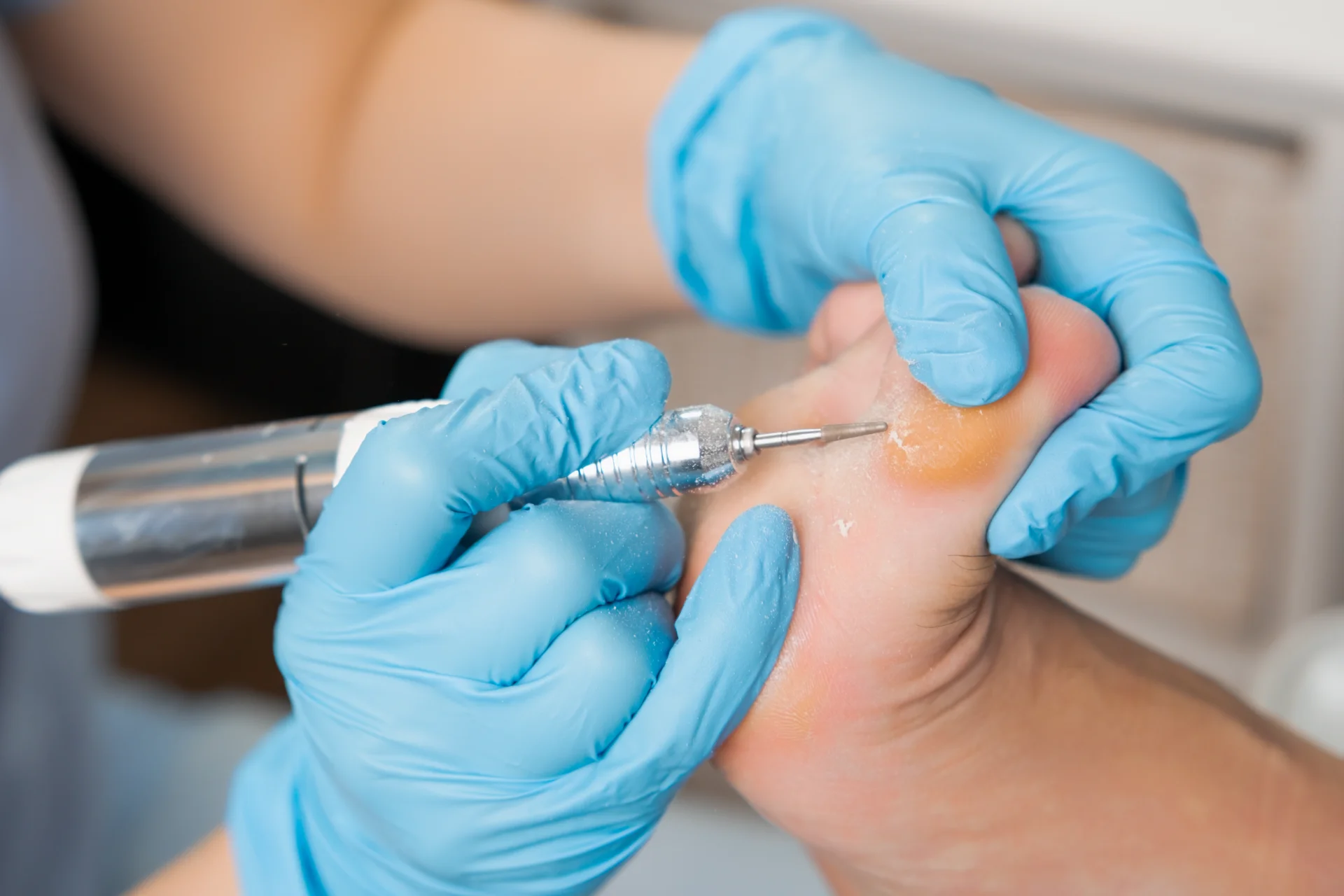
Treatment begins with a comprehensive biomechanical assessment to identify the specific contributing factors for each individual patient. Following assessment, treatment may include:
- Prefabricated orthotics or Phits 3D-printed orthotics to control pronation and reduce fascial loading
- Evidence-based footwear advice to support recovery and reduce aggravating factors
- Referral to physiotherapy for a targeted calf stretching and plantar fascia loading programme
- Activity modification guidance during the recovery period
- Short-term taping to support the arch and offload the fascia
Evidence and Clinical Standards
Management follows the evidence-based recommendations of the HCPC and the College of Podiatry. Orthotic therapy, appropriate footwear, and targeted loading exercises represent the first-line approach supported by current clinical evidence for most patients with plantar fasciitis.
Getting to West Bridgford Podiatry
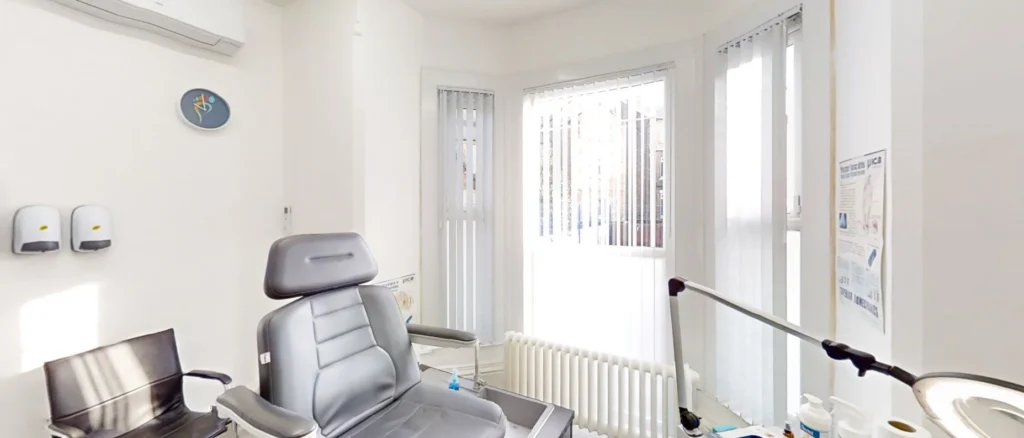
7 Musters Road, West Bridgford, Nottingham, NG2 7PP. Close to Trent Bridge, local bus routes, and free on-site parking front and rear. Open Monday to Friday 8:00am to 6:00pm and alternate Saturdays 8:00am to 1:00pm.
Faqs
Frequently Asked Questions
How long does plantar fasciitis take to resolve?
With appropriate management, most patients see significant improvement within three to six months. The condition can persist longer if the underlying biomechanical cause is not addressed. Early intervention consistently leads to faster recovery.
Is plantar fasciitis the same as a heel spur?
These are related but distinct. A heel spur is a bony growth on the underside of the heel bone that can accompany plantar fasciitis, but the spur itself is not always the source of pain. Plantar fasciitis can occur without any spur being present.
Will I need surgery for plantar fasciitis?
The vast majority of patients respond well to conservative management. Surgery is considered only in a minority of cases where structured conservative treatment has failed over a prolonged period.
Can running cause plantar fasciitis?
Yes. Runners are among the most commonly affected groups, particularly those who have increased their mileage rapidly, changed their running surface, or are using unsuitable footwear. A biomechanical assessment can identify the specific gait factors and inform a safe return-to-running plan.
Should I stop exercising completely?
Not necessarily. Activity modification rather than complete rest is usually recommended. Your clinician will advise on appropriate activities and how to manage training load without aggravating the fascia further.