

Fungal Nail Infections
What Is a Fungal Nail Infection?
Onychomycosis is an infection of the nail plate, nail bed, or nail matrix caused by dermatophyte fungi, most commonly Trichophyton rubrum, though yeasts and non-dermatophyte moulds can also be responsible. The infection typically begins at the free edge or sides of the nail and progresses proximally if left untreated, eventually involving the full length and potentially the nail matrix itself.
The fungi responsible for onychomycosis thrive in warm, moist environments, which is why the toenails are far more commonly affected than the fingernails. The condition is contagious and can spread between individuals sharing communal spaces such as changing rooms, showers, and swimming pool surrounds.
Signs and Symptoms
Fungal nail infections can be recognised by the following changes:
- Discolouration of the nail plate, typically white, yellow, brown, or green
- Thickening and structural distortion of the nail
- Brittleness, crumbling, or flaking at the nail edges
- Separation of the nail from the nail bed (onycholysis)
- Accumulation of white or yellow debris beneath the nail
- Unpleasant odour from the affected nail
- Gradual spread to adjacent nails if untreated
What Causes Fungal Nail Infections?
Contributing factors include:
- Walking barefoot in communal areas such as gym changing rooms, swimming pools, or shared showers
- Wearing footwear that creates a warm, moist environment, including tight shoes or synthetic materials
- Existing athlete’s foot spreading to the toenails
- Minor nail trauma providing an entry point for fungal infection
- Reduced immune function associated with diabetes or immunosuppressive medication
- Reduced peripheral circulation decreasing the foot’s resistance to infection
How We Manage Fungal Nail Infections
Management begins with a clinical assessment to confirm the diagnosis and assess severity. Treatment options include:
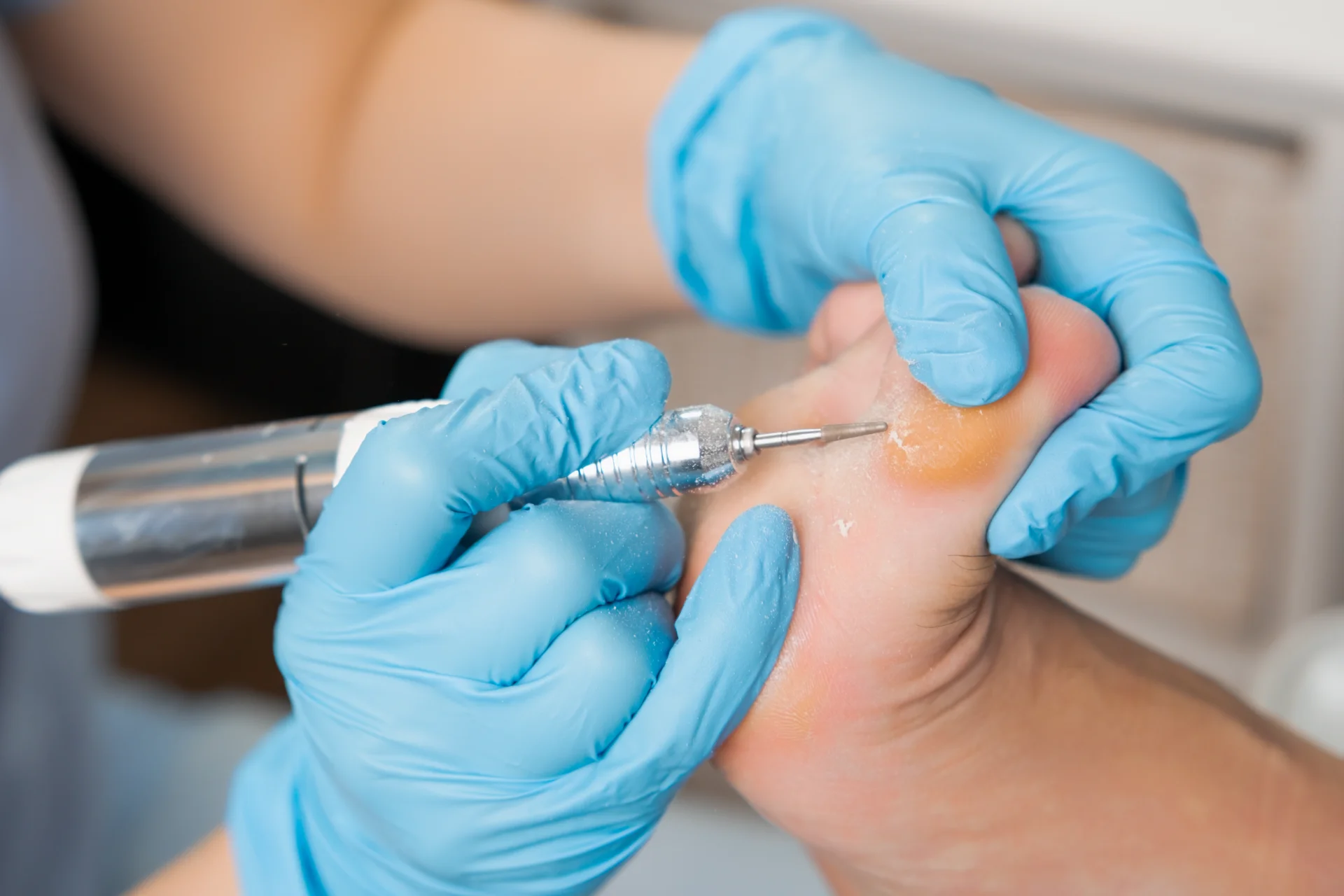
- Nail reduction: mechanical reduction of the thickened nail plate as part of a routine foot treatment appointment, improving cosmetic appearance and antifungal agent penetration
- Advice on appropriate topical antifungal preparations
- Patient education on footwear, hygiene, and preventing reinfection
- GP referral for oral antifungal medication (terbinafine or itraconazole) where topical treatment is insufficient
- Total nail avulsion in cases of severe or treatment-resistant infection
Evidence and Clinical Standards
Fungal nail management follows NICE guidelines and HCPC standards. A clinical assessment-first approach ensures treatment is appropriate, targeted, and monitored, in line with College of Podiatry recommendations.
Meet the Team
Meet the Hearts Behind the Work
Fungal nail assessment and management at West Bridgford Podiatry is provided by Hassan Ebrahim Isat, Iqra Rafiq, Jaykishan Maru, and Zoe Foster.
Faqs
Frequently Asked Questions
How long does treatment take?
Toenails grow slowly, approximately one to one and a half millimetres per month. Even when the infection is successfully treated, a healthy nail takes many months to grow through fully. Topical courses often last six to twelve months; oral antifungal courses typically last three to six months.
Can a fungal infection spread to other nails?
Yes. Fungal nail infections can spread to adjacent nails and to the surrounding skin. Early treatment and good hygiene practices are important to limit spread.
Is all nail discolouration caused by fungal infection?
No. Nail discolouration has numerous causes including trauma, psoriasis, and certain medications. Clinical assessment is important before committing to an antifungal treatment course.
How can I prevent reinfection?
Keeping feet clean and dry, wearing moisture-wicking socks, alternating footwear between uses, wearing protective footwear in communal changing areas, and treating athlete’s foot promptly are all effective preventive measures.