Verruca
What Is a Verruca?
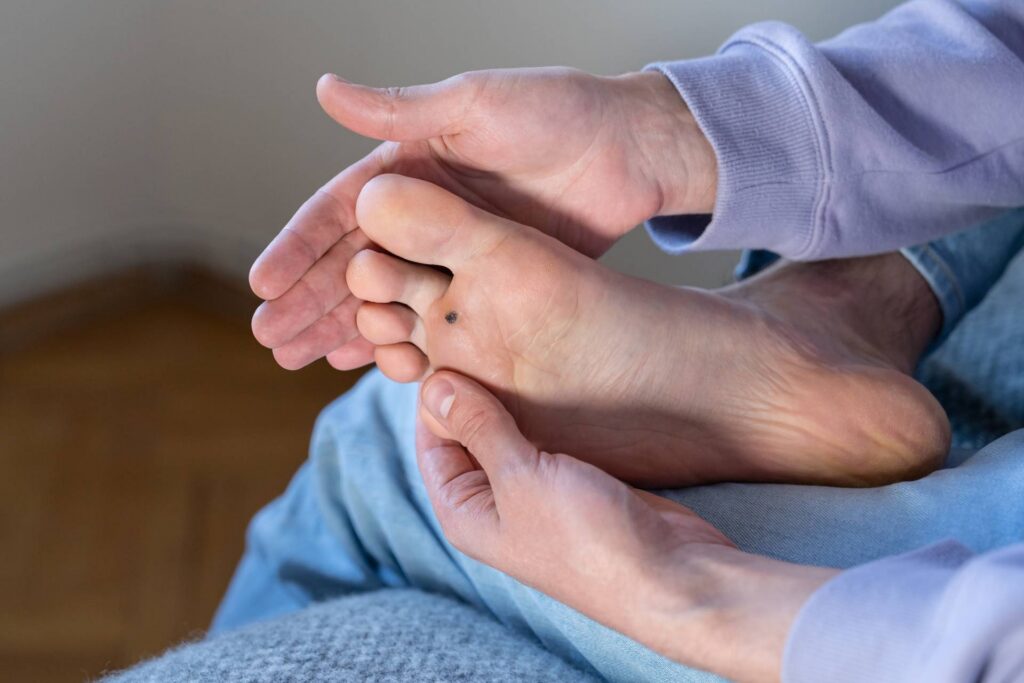
A verruca, also known as a plantar wart, is a growth on the skin of the foot caused by infection with the Human Papilloma Virus (HPV). The virus infects the epidermis, the outer layer of skin, stimulating abnormal cell growth that produces the characteristic rough, raised surface. The small black dots visible within a verruca are the ends of tiny blood vessels that have grown into the infected tissue, a feature that helps to distinguish verrucae from other plantar lesions such as corns.
The HPV virus spreads most readily in warm, moist communal environments such as swimming pool changing rooms, gym showers, and sports changing areas. It can be contracted by walking across the same floor as an infected person, particularly where small cuts or abrasions are present on the skin.
Signs and Symptoms
Common features that may indicate a verruca include:
- A small, rough, raised growth on the sole of the foot or around the toes
- Tiny black dots within the surface (punctate haemorrhages from capillary blood vessels)
- Pain when the area is pinched from the sides, rather than pressed directly from above
- A disruption of the normal skin ridge pattern over the growth
- Hard skin forming over the surface, making the growth appear smoother
- A cluster of small warts merging into a larger plaque, known as a mosaic verruca
Do Verrucae Need Treatment?
The body’s immune system will often clear the HPV infection naturally over time. This process takes an average of six months in children and up to two years or longer in adults. Treatment is most appropriate when:
- The verruca is painful, particularly on a weight-bearing area of the foot
- It is growing in size or spreading to form a cluster
- It is causing concern about transmission to others in the household
- Over-the-counter treatments have been tried without success over a sustained period
How We Treat Verrucae
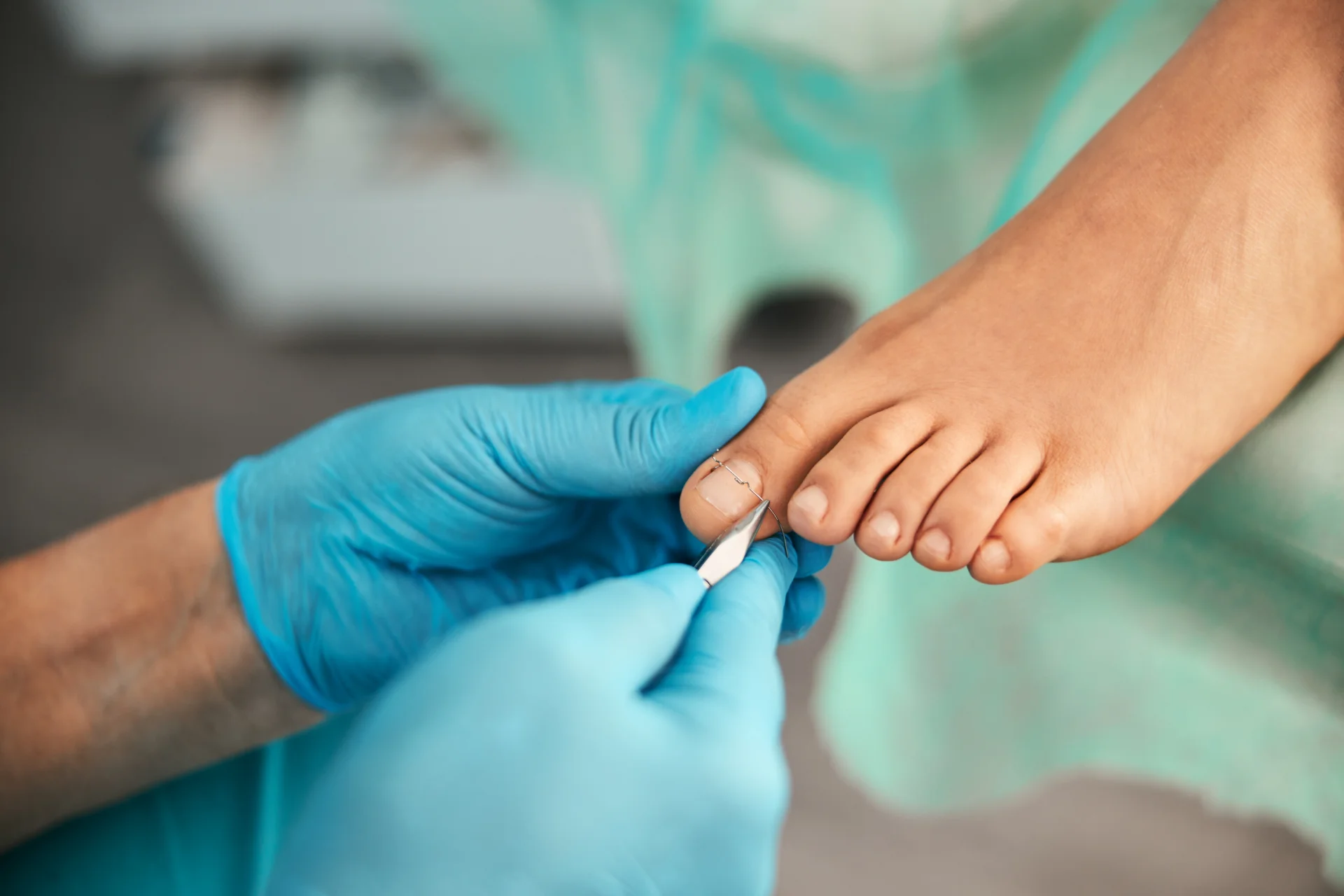
At West Bridgford Podiatry, we offer three professionally applied treatment options as part of our Verruca Treatment service:
- Verrutop: destroys the viral protein and desiccates the wart tissue without burning or freezing. Well tolerated by children and adults. A maximum of five applications at two to three week intervals, followed by a twelve-week review period.
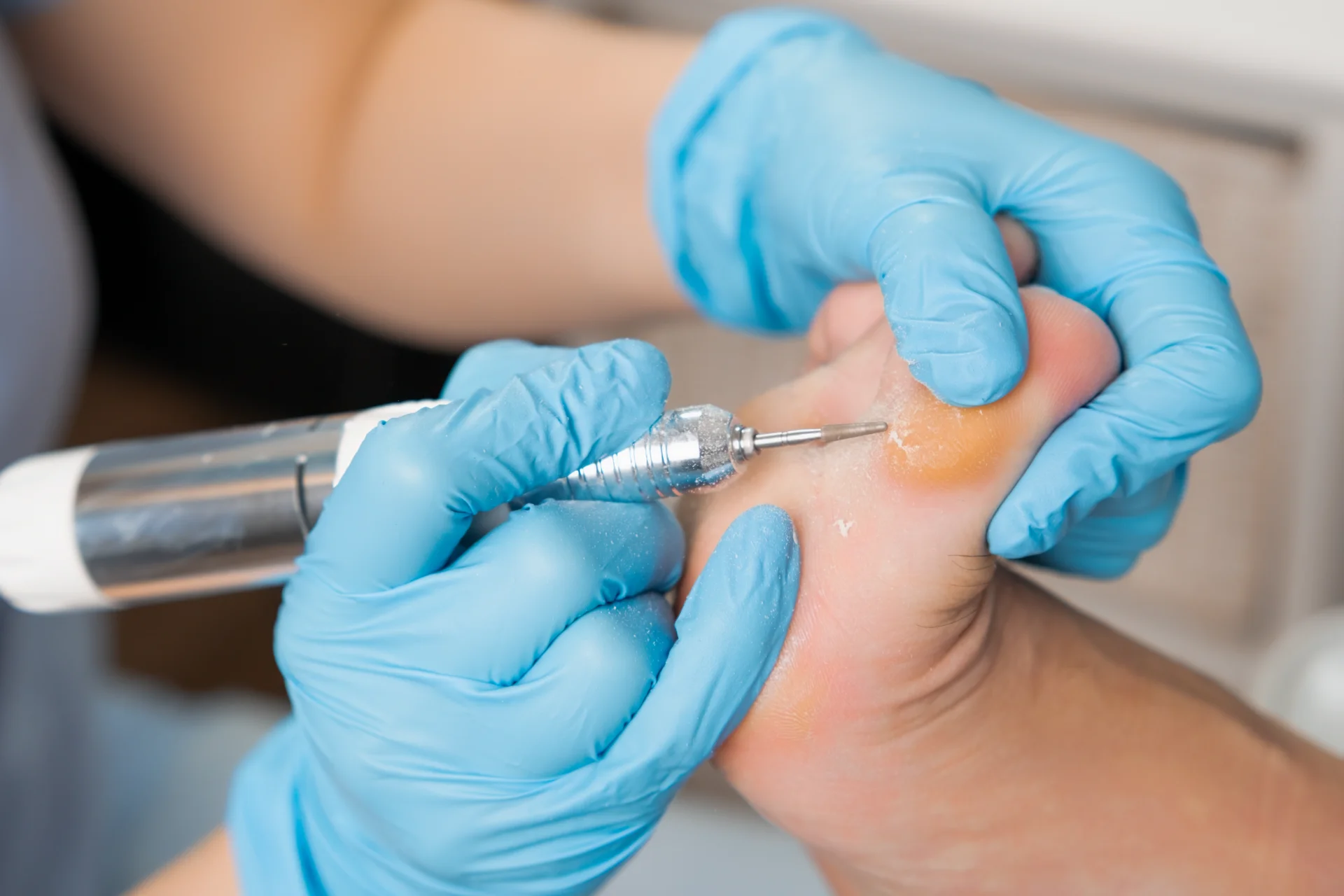
- Silver Nitrate: a clinically stronger acid-based treatment applied after debridement of overlying callus.
- Cryotherapy: medical-grade freezing therapy using equipment considerably more effective than pharmacy alternatives.
Your clinician will discuss which approach is most appropriate for your verruca before any treatment begins.
Getting to West Bridgford Podiatry
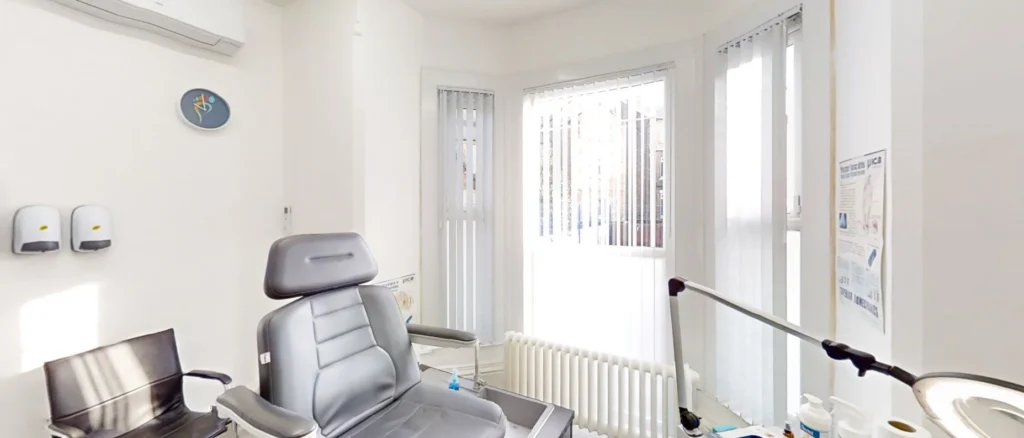
7 Musters Road, West Bridgford, Nottingham, NG2 7PP. Close to Trent Bridge, with local bus links and free on-site parking front and rear. Open Monday to Friday 8:00am to 6:00pm and alternate Saturdays 8:00am to 1:00pm.
Faqs
Frequently Asked Questions
Is a verruca the same as a wart?
Verrucae are plantar warts: HPV-caused growths occurring specifically on the sole of the foot. The term wart is used for HPV growths on any part of the body, whilst verruca refers specifically to plantar lesions.
Can verrucae spread to other parts of the body?
The strains of HPV that cause verrucae predominantly affect the plantar skin. Whilst the virus can spread to adjacent foot areas or to household members via shared surfaces, it does not typically cause warts on other body regions.
Can I exercise with a verruca?
Yes, but please cover the verruca with a waterproof plaster during exercise and in communal areas to limit the risk of spreading the virus. Avoid going barefoot in changing rooms and around swimming pools.
How do I know if my verruca is responding to treatment?
Signs of improvement include a reduction in the size of the growth, loss of the black dots indicating blood vessel regression, and the return of the normal skin ridge pattern. Your clinician will assess progress formally at each follow-up appointment.